



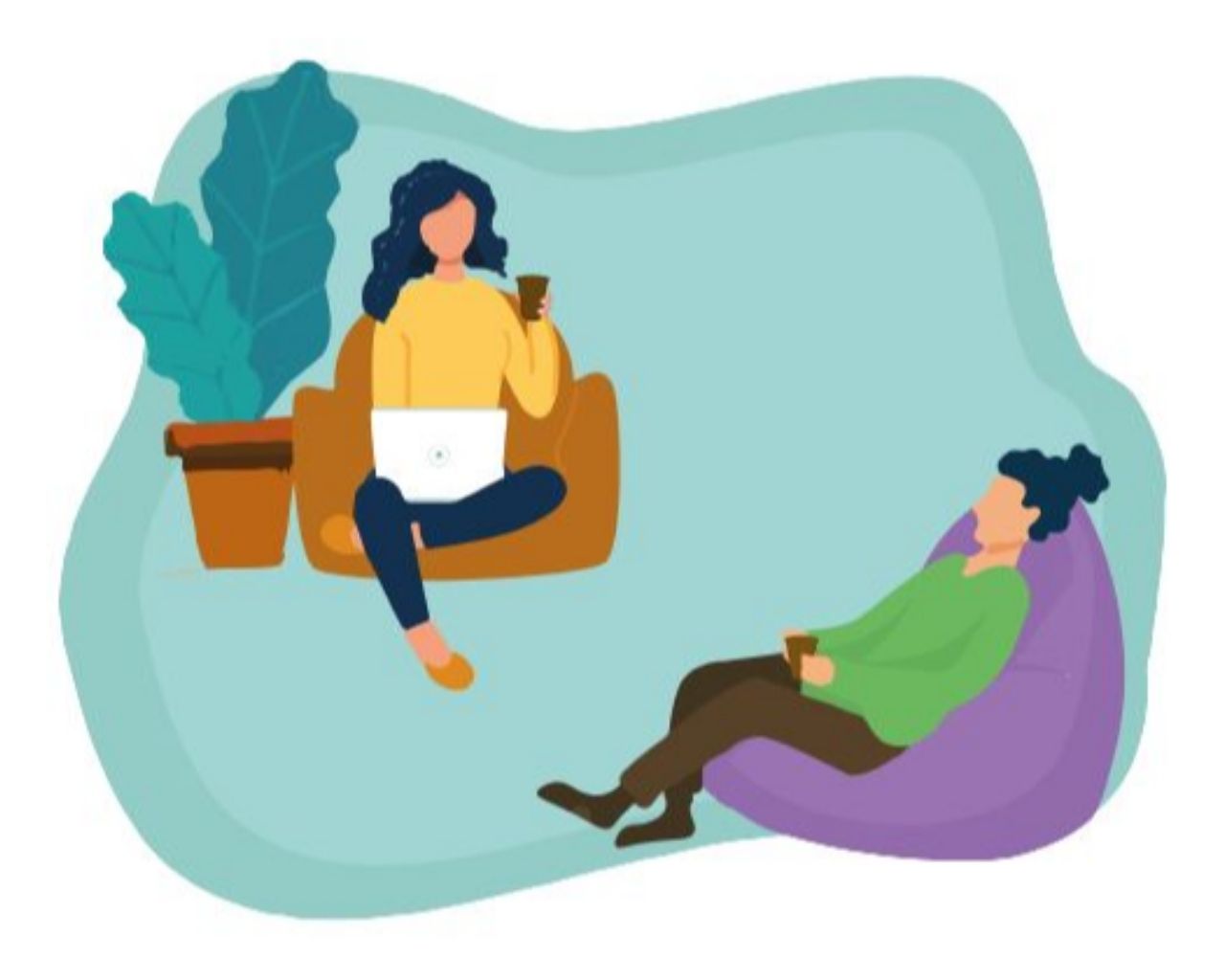
do you know how to rest?
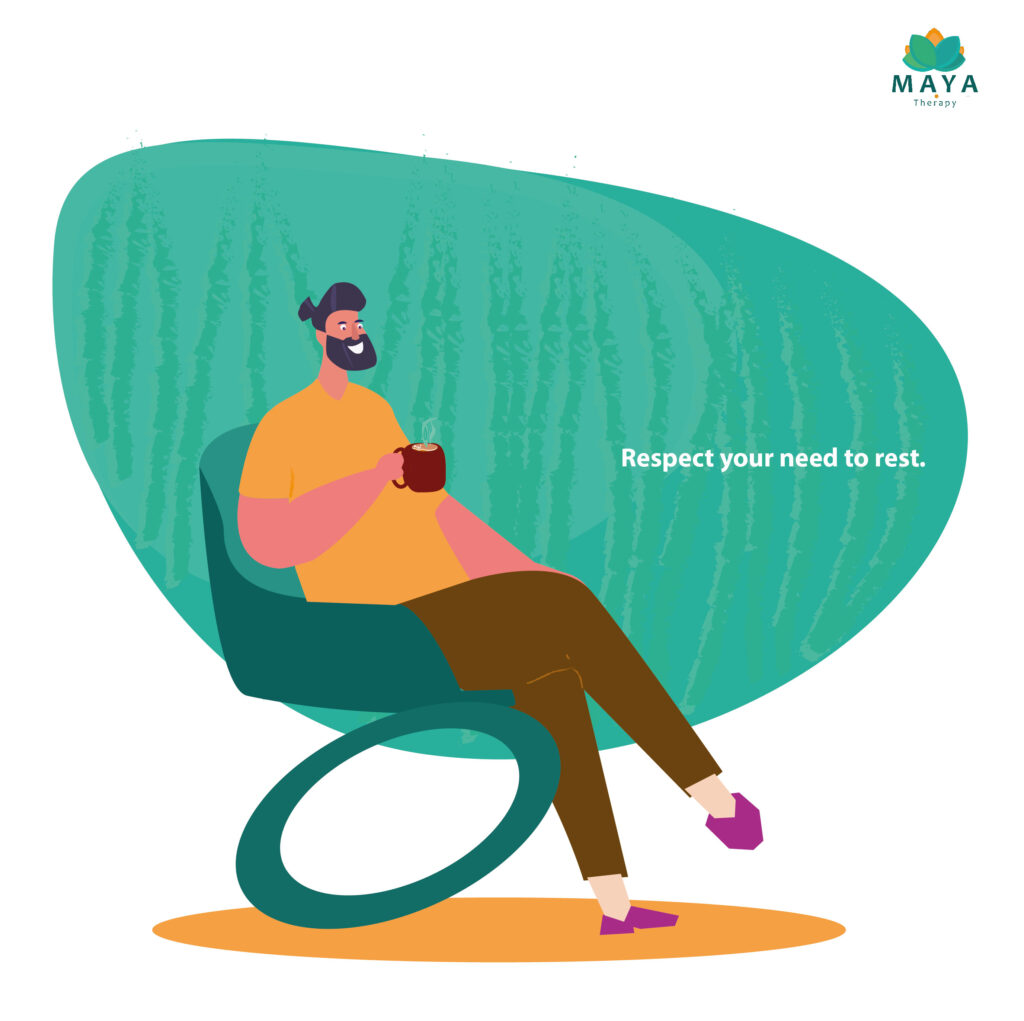
You do not always have to be doing something. It’s essential to recognize that constant activity and productivity aren’t always necessary or healthy. Taking breaks, relaxing, and simply being present in the moment are essential aspects of well-being.
You are allowed to slow down, you are allowed to take breaks. In fact, it’s not just something you’re allowed to do, it’s something that’s vital for your well-being and overall productivity.
Resting effectively can vary from person to person, as everyone has their own preferences and needs. However, here are some general strategies and tips for how to rest effectively:
- Listen to Your Body: Pay attention to your body and mind. If you feel tired, it’s a sign that you need rest. Ignoring these signals can lead to burnout.
- Create a Relaxing Environment: Find a quiet and comfortable space where you can relax without distractions. This could be a cozy corner in your home, a park, or even a quiet café.
- Unplug: Disconnect from digital devices. Put away your phone, tablet, or computer, or at least turn off notifications. The constant influx of information can be mentally draining.
- Engage in Mindfulness or Meditation: These practices can help you relax and clear your mind. Even just a few minutes of deep breathing or meditation can be rejuvenating.
- Nap Wisely: Short power naps (around 20-30 minutes) can be refreshing. Longer naps might leave you feeling groggy. Find what works best for you.
- Read or Listen to Music: Reading a book or listening to calming music can be a great way to unwind and take your mind off stressors.
- Physical Activity: Gentle exercise like yoga or a leisurely walk can help you relax both physically and mentally.
- Practice Gratitude: Reflect on positive aspects of your life. This can shift your focus away from stressors and promote a sense of well-being.
- Set Boundaries: Learn to say no when necessary. Overcommitting can lead to stress and fatigue.
- Socialize: Spend time with friends and loved ones. Social connections can be a great source of emotional support and relaxation.
- Engage in a Hobby: Doing something you love, whether it’s painting, gardening, or playing a musical instrument, can be a fantastic way to relax.
- Sleep Well: Ensure you get enough quality sleep at night. A good night’s sleep is fundamental to feeling rested and rejuvenated during the day.
- Time Management: Plan your day to include breaks. The Pomodoro Technique, for example, suggests working in focused 25-minute intervals with a 5-minute break in between.
- Limit Caffeine and Alcohol: These substances can disrupt sleep and prevent you from feeling fully rested.
- Professional Help: If you find it challenging to relax due to stress or anxiety, consider seeking help from a therapist or counselor.
Remember that rest is a personal experience, and what works for one person may not work for another. It’s essential to experiment and find what relaxation techniques and activities work best for you. The key is to prioritize rest and incorporate it into your daily or weekly routine to maintain a healthy work-life balance.


